Meet California Psychologist
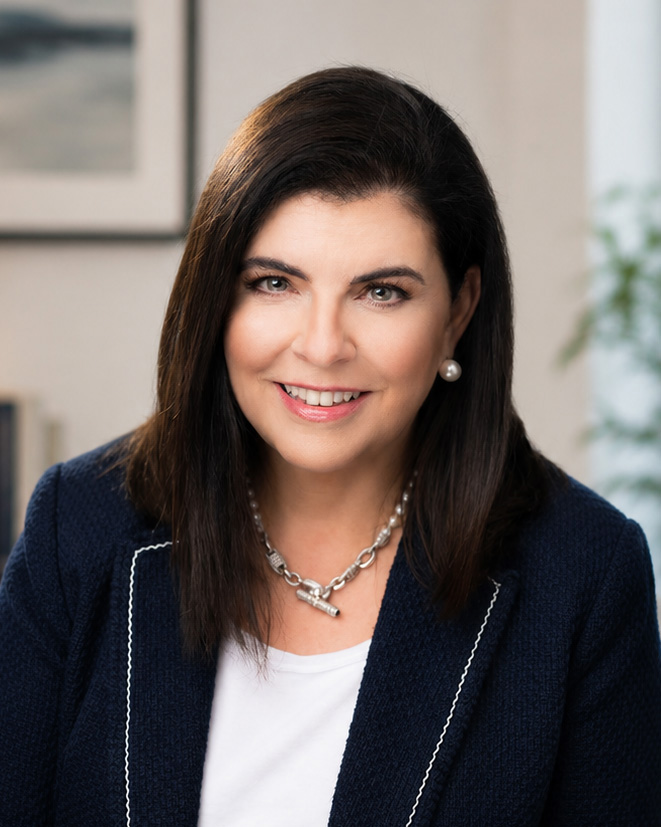
Dr. Cathy Evangelatos

Licensed Clinical Psychologist PSY 36491
I am a licensed clinical psychologist in California with a doctorate in Clinical Psychology from the American School of Professional Psychology.
I also have a master’s degree in Theology from Fuller Theological Seminary and specialized training in the integration of Christian faith and psychology including my clinical research project on integrating theology and psychology.
This training equips me to offer thoughtful, well-informed support when faith is something you choose to incorporate in your therapy.
Spirituality or Christian faith is completely optional in our sessions. It’s your choice.
I am in-network with most major insurance providers.
If yours is not listed, contact me and I can confirm whether I accept that plan.







A Flexible, Integrative Style Tailored to Your Unique Needs and Goals
Evidence-based methods and other approaches I may use:
- Psychodynamic and Object Relations therapy
- Cognitive Behavioral Therapy (CBT)
- Mindfulness-based approaches
- Attachment theory
- Client-Centered Therapy
Clinical Experience
I gained valuable experience during my doctoral training at the Los Angeles Mission — Anne Douglas Center for Women and at Los Angeles Christian Health Centers on Skid Row. Working in these diverse settings strengthened my ability to provide culturally responsive and affirming care across a wide range of backgrounds.
My post-doctoral training: Rose City Center Pasadena, Ca. An intensive two-year post-doctoral program focused on Psychoanalytic Psychotherapy and trauma.

Professional Leadership & Teaching
In addition to my clinical work, I served on the board of the Orange County Psychological Association as Early Career Professional Chair and Social Networking Committee Chair. I also taught as an Adjunct Professor at Stanbridge College in Irvine, CA, where I instructed courses in Psychology, World Religions, and Organizational Psychology.
What is the Difference between a Psychologist a Therapist?
“Therapist” is a broad term that includes master’s-level clinicians — such as LMFTs, LPCCs, and LCSWs — as well as doctoral-level psychologists.
A psychologist and a therapist can both provide excellent therapy. The difference is the depth of training behind that work.
I am a licensed clinical psychologist in California and hold a Doctor of Psychology (Psy.D.). My doctoral education included advanced training in diagnosis, psychological testing, and the assessment of complex patterns over time.
The comparison is outlined below.
| Feature |
Master's-Level Clinicians
|
Doctoral-Level Licensed Psychologists
|
|---|---|---|
| Education | Master's degree, usually about 2 years. Focuses on counseling, psychotherapy, and clinical practice within that license. | Doctoral degree, typically 5–7 years. Includes advanced coursework in diagnosis, assessment, and evidence-informed practice. |
| Clinical research | A doctoral dissertation is not required. Training emphasizes using established methods. | Requires a doctoral dissertation or doctoral clinical research project. |
| Supervised training | About 3,000 supervised hours in California, completed during and after the master's program. | About 3,000 supervised hours in California, including substantial training during the doctorate and at least 1,500 hours after the degree. |
| Testing and diagnostics | May use certain screening tools and assessments within their scope of practice. |
Specialized doctoral training can include selecting, administering, and interpreting comprehensive psychological tests, such as:
IQ and cognitive testing
Personality testing
Other psychometric measures may include
|
Ready to take the next step?

Taking the first step toward therapy can feel like a big decision.
I’ll help make the process as clear and comfortable as possible.
Request a Consultation
I offer a free 15-minute phone consultation to discuss your goals and see if we are a good fit for working together. Contact me to schedule.
Initial Assessment
In our first full session, we’ll discuss your history and goals. If you would like, we can also include faith or spirituality as part of therapy.
Collaborative Care
Together, we’ll create a roadmap for your healing that respects your pace and your values.